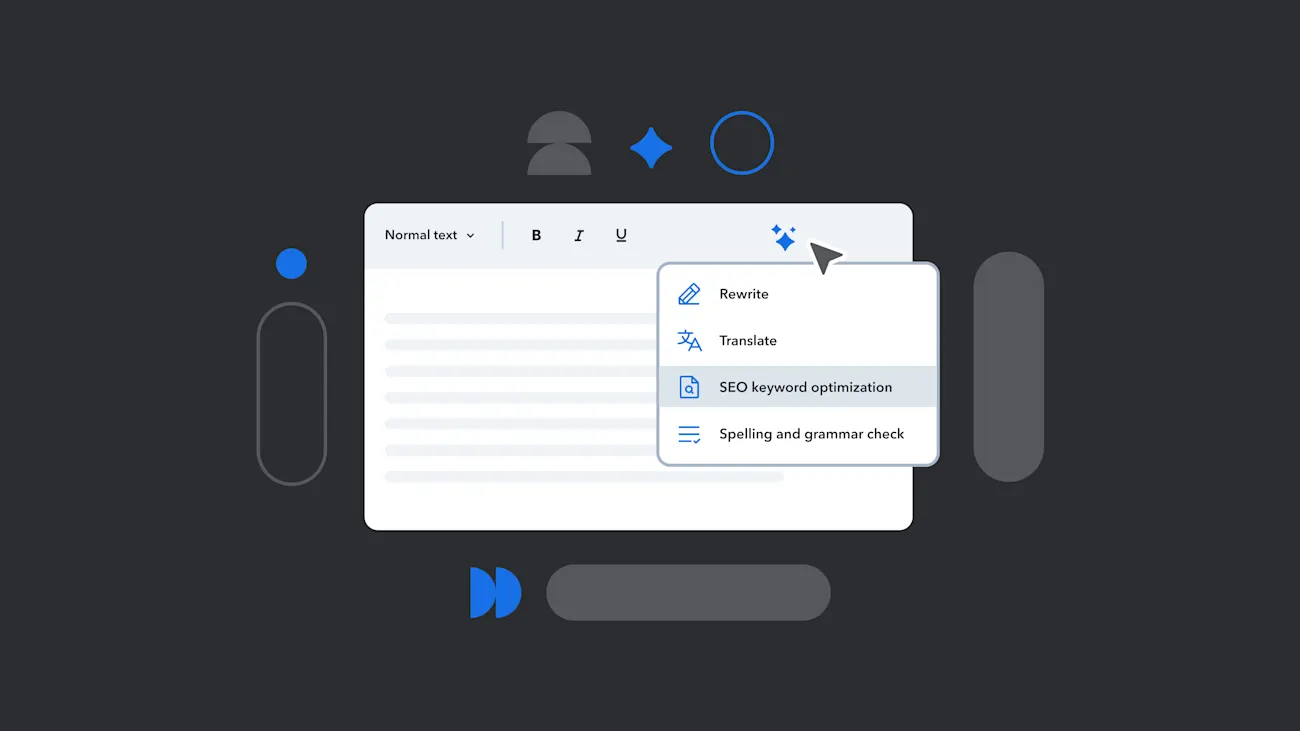
Improving Organic Reach With AI-Enhanced Material Optimization

Effectiveness in digital interaction has reached a breaking point in 2026. The days when a little team of authors could by hand research, draft, and optimize a hundred articles a month are over. Today, the volume of information needed to stay noticeable in search engine result and social feeds has increased tenfold. To remain competitive, companies have actually shifted their focus toward systems that enable mass production without compromising the nuanced quality that human readers and search algorithms demand. This shift is not about replacing the human aspect however about constructing a technological facilities that enhances it.
Strategic Integration of AI in Content Management
By 2026, the integration of generative tools has actually moved past the speculative stage. Services no longer ask if they should utilize AI, but rather how deeply they can integrate it into their existing software application stacks. The primary objective is scalability. When a business requires to launch a thousand localized landing pages for various markets, doing so by hand is no longer financially viable. Instead, automated workflows now handle the heavy lifting of information collection and preliminary preparing.
These systems work by pulling real-time information from numerous sources to ensure that the created text is precise and present. In the early 2020s, AI was known for "hallucinations" or making up truths. In 2026, retrieval-augmented generation has mostly resolved this problem. Tools now confirm their own output versus trusted databases before a human editor ever sees a draft. This layer of automated fact-checking is what makes high-volume optimization possible. Success in the field of Asia Virtual Solutions Web Copy ensures that every piece of text strikes its mark while staying factually sound.
The Approach Specialized Designs
One of the most substantial modifications seen in 2026 is the departure from using a single, enormous model for every single job. Rather, market professionals choose smaller sized, distilled models that have been fine-tuned for particular industries. A design trained specifically for medical writing or legal analysis performs better than a general-purpose model. It understands the jargon, the tone, and the regulative requirements of the specific field. These specialized tools are quicker and less expensive to run, making them perfect for business that need to produce high volumes of specialized content daily.
Publishing houses have actually begun to build proprietary "design profiles." By feeding their entire history of human-written articles into a personal model, they can train the AI to imitate their specific brand voice perfectly. This makes sure that even when a thousand item descriptions are created in an hour, they all seem like they were composed by the very same senior personnel member. This consistency is important for keeping brand trust in an age where the internet is flooded with generic, low-effort AI text.
Algorithmic Relevance in 2026
Online search engine have progressed alongside content production tools. In 2026, algorithms are extremely proficient at determining content that provides genuine worth versus content that simply duplicates existing information. The focus has moved towards "details gain." If an AI-generated post supplies no new data, insights, or viewpoints, it merely will not rank. This has actually forced content strategists to utilize AI not just for writing, but for deep information analysis.
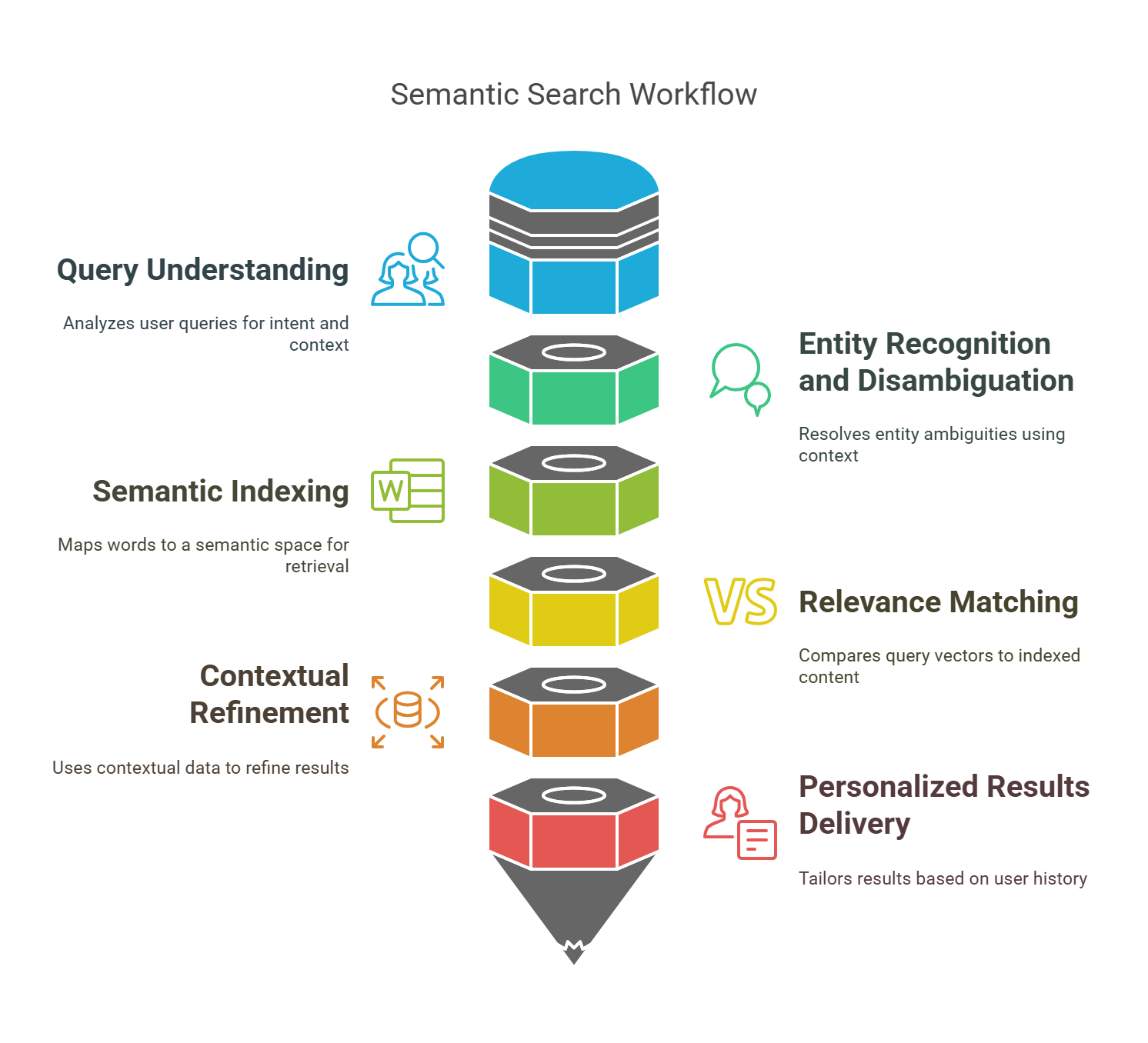
Modern optimization tools now scan the web to discover "content spaces"-- questions that haven't been responded to or data points that are missing from the current top-level pages. The AI then suggests specific angles that will offer the most worth to the reader. This method moves beyond basic keyword stuffing. It is about semantic significance and fulfilling the user's intent with accuracy. Many companies find that investing in Asia Virtual Solutions Website Copywriting Services has actually ended up being a requirement for any brand intending to control their niche in this crowded digital area.
Managing the Human-AI Feedback Loop
The most effective material operations in 2026 use a "human-in-the-loop" system. In this setup, AI handles the research and the very first draft, while human experts concentrate on method, last polish, and psychological resonance. Humans are still much better at understanding cultural nuances and the subtle shifts in public belief that a device might miss. The role of the editor has changed into that of a director, overseeing a fleet of automated tools to produce a cohesive last item.
This workflow needs a different set of abilities than standard writing. Editors in 2026 must understand timely engineering, data analysis, and technical SEO. They are accountable for auditing the AI's work to ensure it lines up with the company's ethical requirements and the specific needs of the local community. The outcome is a hybrid item that has the speed of a device and the soul of a human writer.
Technical Infrastructure for Scalable Material
Building a scalable content engine requires more than just a subscription to an LLM. It requires a connected technical ecosystem. CMS platforms in 2026 are typically constructed with native AI integrations that permit one-click optimization. A marketing supervisor can input a few core themes, and the system will immediately create a month's worth of article, social media updates, and email newsletters, all optimized for their particular platforms.
API-driven workflows are the backbone of this procedure. By linking an information source-- such as an item brochure or a set of market reports-- straight to an AI design, companies can produce "live" content. A genuine estate site can have its community guides update automatically as new sales data becomes readily available. This level of automation keeps the website fresh and relevant without needing continuous manual updates. It also minimizes the overhead expenses associated with maintaining a massive library of evergreen content.
Cost-Efficiency and Resource Allowance
The economics of content production have actually shifted. In the past, the most significant cost was labor. Today, the costs are split between calculate power (tokens) and high-level method. While the initial setup of an automated pipeline can be expensive, the per-unit expense of content drops considerably as volume boosts. This allows even small companies in smaller regions to contend with national brands on a content level.
Instead of working with twenty junior authors, a company might hire 2 senior strategists and invest the remainder of the spending plan in a strong technical setup. This lean method allows for faster pivots. If a new pattern emerges, an automatic system can produce a detailed series of posts on the topic in a matter of hours, rather than weeks. This speed is a major advantage in the hectic market of 2026.
The Future of Material Orchestration
As 2026 advances, the focus is approaching "multimodal" optimization. This indicates that a single piece of composed material is automatically transformed into different formats. A long-form guide can be sliced into a script for a short-form video, an audio summary for a podcast, and a set of infographics for visual platforms. The AI makes sure that the core message remains the very same throughout all channels while customizing the delivery to the specific audience of each platform.
This holistic technique to material ensures that no effort is wasted. Every insight collected and every sentence written is utilized to its optimal potential. It likewise assists with accessibility, as users can take in the info in the format they prefer. For a company providing specialized solutions, this indicates reaching potential clients anywhere they occur to be, whether they read a blog site on their desktop or listening to a summary on their clever glasses while commuting.
Adjusting to the New Requirement
The transition to AI-driven content optimization is not without its obstacles. There is a learning curve connected with managing these tools, and there is constantly the threat of over-automation. If a website ends up being too robotic, it loses its connection with the audience. The secret is to utilize the technology to deal with the repeated, data-heavy tasks, leaving the imaginative and relational work to human beings. Those who find this balance are the ones who flourish.
Looking ahead toward 2027, the pattern of customization will likely take center phase. AI will not just produce content for a basic audience however will customize specific short articles for the specific individual reading them, based on their previous behavior and preferences. This will require even more advanced optimization tools and a much deeper reliance on real-time information processing. The journey of material automation is only simply starting, and the methods carried out in 2026 will set the foundation for the next decade of digital growth.
Eventually, the objective of any content method remains the exact same: to provide the best info to the ideal person at the correct time. In 2026, the tools offered to accomplish this are more effective than ever. By embracing automation and concentrating on strategic integration, services can reach their audiences with unmatched speed and precision, guaranteeing their message is heard in an increasingly noisy world.