Mastering Contextual Query Performance for 2026
These are a mix of trending semantic keywords and recommended search terms affected by search patterns. Don't forget to include long-tail keywords in your list. These inquiries tend to be more particular, typically taking the type of questions or full sentences. The "Individuals also ask" area in Google can end up being an important source of associated topics that Google associates with your target query.
You can also scroll to the bottom of the SERP to discover "Related searches," which often discover extra keyword ideas you may not have actually considered. These keyword types are frequently confused with one another, keep in mind that not all related search terms are synonyms. For example, "yoga asana" and "yoga posture" are synonyms.
Looking at these keywords may even trigger some concepts for associated inquiries of your own. To support a strong semantic SEO technique, it helps to comprehend how search interest develops over time.
While utilizing Google is a reliable method of collecting semantic search information, you can likewise use semantic SEO software application to speed things up and improve outcomes. SE Ranking's Keyword Organizer has a huge database that exceeds search engine ideas. It hosts over 4 billion distinct search inquiries, which indicates you can generate thousands of keyword ideas in one click.
The yoga topic, for example, has 550K regular monthly searches. It's possible to filter out keywords with incredibly high search volumes.
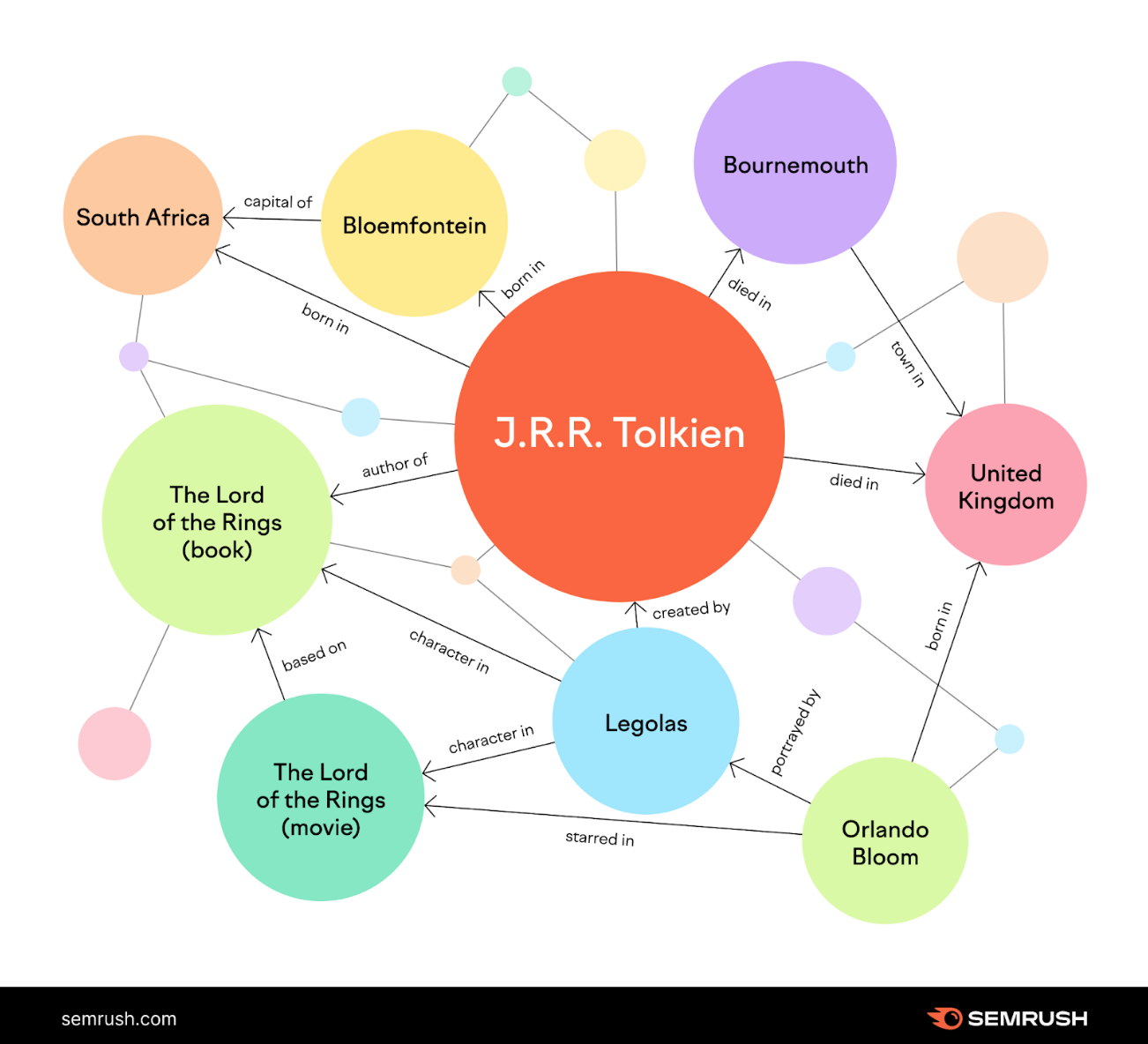
Mastering Contextual Query Performance for 2026
SE Ranking also lets you carry out rival research study to draw keyword ideas. This assists you discover some of the more obscure but helpful topics related to your organization niche.
If you likewise desire to see what topics AI engines are trying to find under the hood when composing answers to your focus queries, begin tracking them in AI search tools like AI Mode, ChatGPT, Perplexity, and others using our AI Outcomes Tracker. Once you have ranking information, you can see the URLs that these AI engines utilized as sources when composing responses to your target inquiry.
The subjects they cover are possible prospects for your own content. By creating content around these ideas, you increase the possibilities that AI systems will reference your pages when addressing similar questions. When you have actually collected your keywords from all possible sources and assembled them into a spreadsheet, get rid of any duplicates.
Observe your list closely and consider ways to classify keywords into different groups. Let's state, for instance, that you have a long list of keywords about "yoga asanas". Here are some ways to group them: "yoga postures", "yoga postures", "asanas list", and so on "how to do yoga asanas", "what are the beginner yoga positions", etc.
Unlocking Content Impact Through Strategic Automation
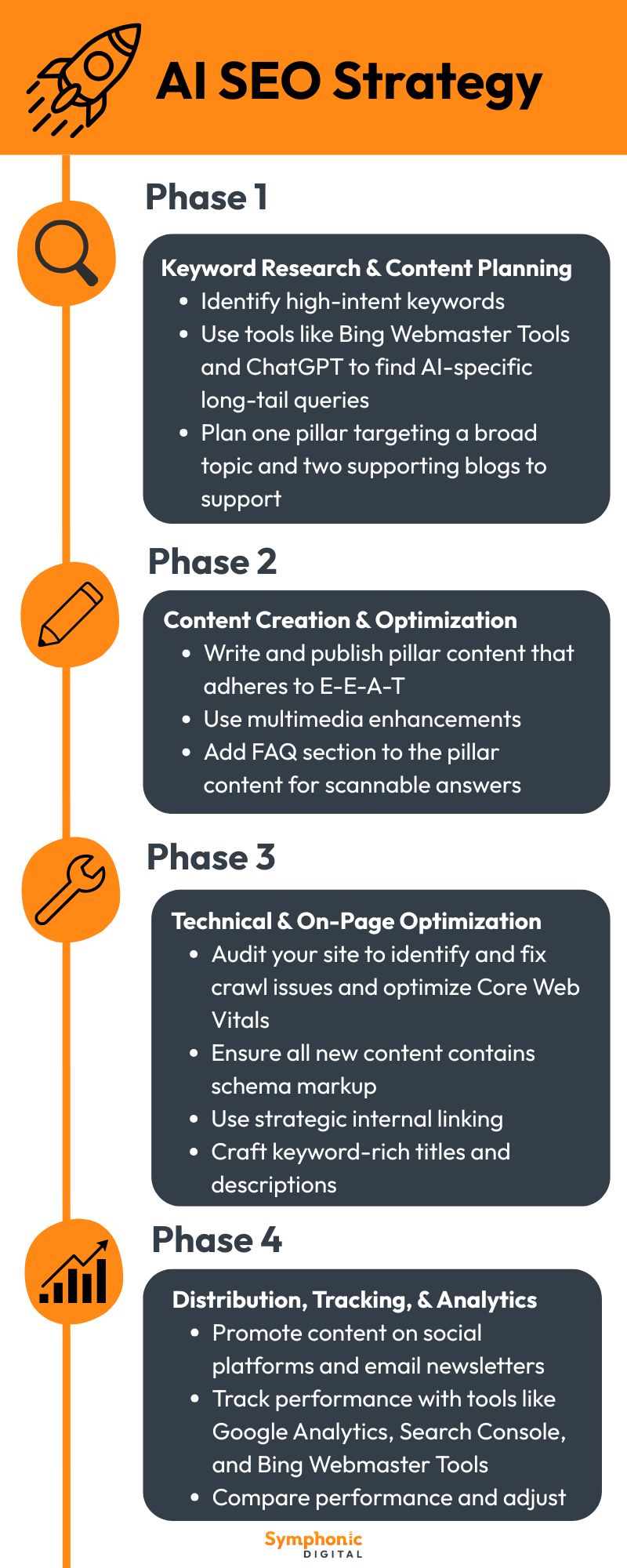
Organizing keywords by search volume helps you in structuring your website. Consider high-volume keywords as classifications, and low-volume keywords as potential article topics or service/product pages. Semantic search engine optimization entails creating content clusters based upon topics instead of keywords. Utilize the pillar cluster model, content center, and topic maps to group material according to semantic SEO principles.
This approach organizes subjects by organizing more particular subtopics under a more comprehensive main topic. This permits you to group keywords around a central theme while breaking them into numerous distinct pages. Topic clusters assist browse engine bots understand the context, relationship, and hierarchy of each page within a structured content structure.
The hub makes up the pillar page, which covers the broadest elements of the primary subject, and supporting pages that explore particular subtopics in detail. Another method for clustering your keywords and structuring your content is.
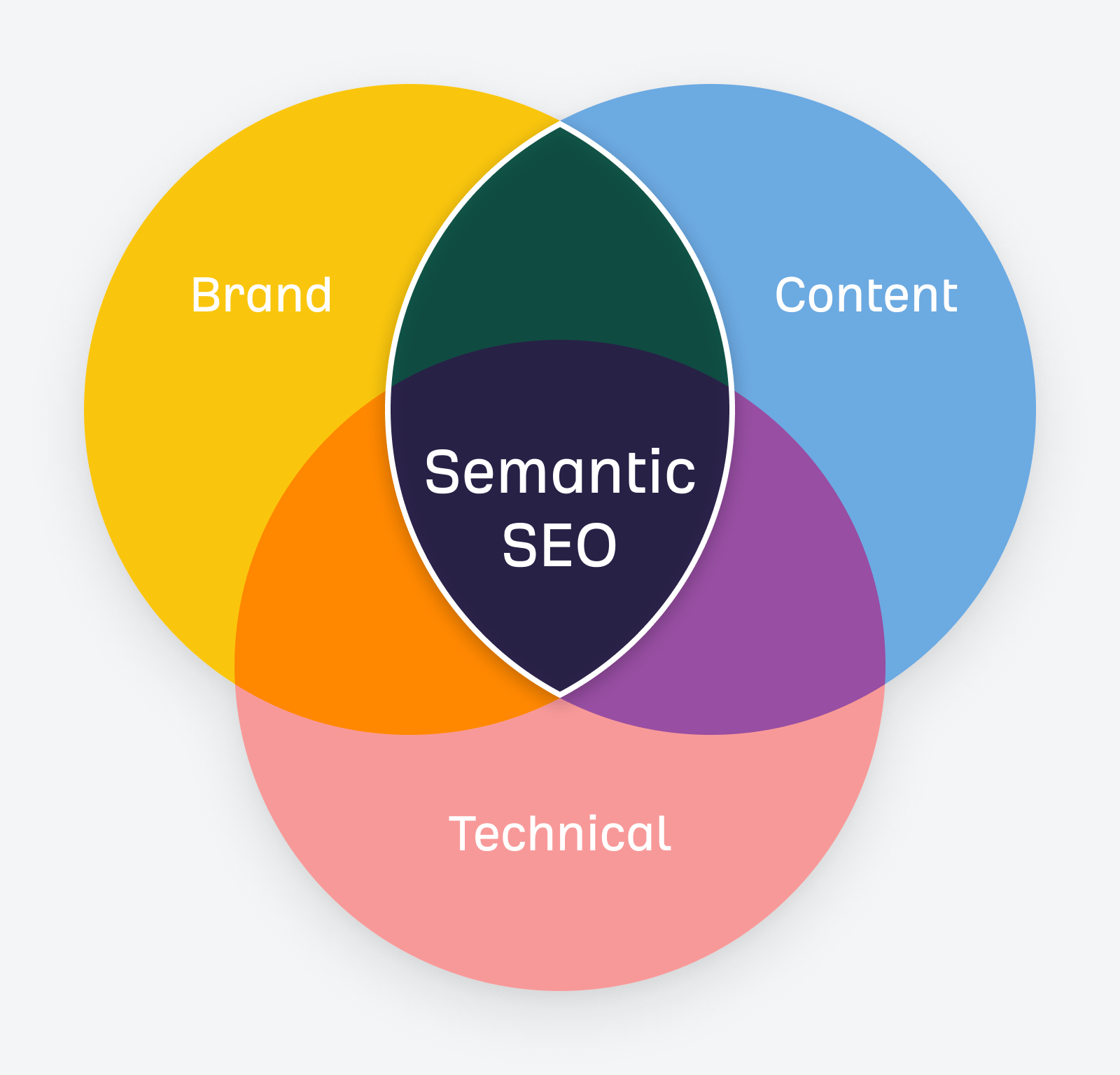
Unlike the pillar and content hub methods, there is no difference in between the primary and supporting content. This method is designed to connect topics in a semantically meaningful method. Keep in mind that all of these cluster techniques are distinct, but each can arrange your material effectively while preventing keyword cannibalization. That's it for traditional keyword research and clustering.
Prevent generic or extremely narrow URLs. Instead, objective for descriptive URLs that cover the subject as a whole. These kinds of URLs naturally get more citations in AI search. For more insights on creating SEO-friendly URLs, see this post. Meta descriptions used to be primarily about boosting CTRs. And in classic SEO, that's still real.
Improving Digital Authority With Topic Clustering
They act as ranking signals for AI citations. Data programs that higher semantic alignment in meta descriptions straight associates with greater citation counts. Pages with low-relevance descriptions (0.000.48 resemblance) average only 4.1 citations, while higher alignment gradually enhances presence (up to 4.7). Take a look at this guide for finest practices on meta descriptions.
Clear, comprehensive descriptions help AI designs comprehend your material and increase the probability your page is pointed out. Now that you have actually collected all your keywords and enhanced metadata, let's check out how to write material with semantic search optimization in mind. Semantic markup is simply as crucial to attaining higher rankings as performing mindful keyword research study.
For instance, an
tag indicates that the embedded phrase is the title of your post. This is both presentational and semantic markup since it reveals users and search engines where the title is. Here are some examples of semantic HTML tags:
through
Improving Digital Visibility With Semantic Mapping
Instead of generic statements, frame your article sections as direct concerns whenever it pertains to the material. Our research programs that pages that use question-based titles or H1 headings tend to perform a little better in AI Mode. Data shows such URLs typical 4.6 AI Mode citations, compared to 4.5 citations for those with non-question headings.
SyVID reviewFor comprehensive guidance on structuring HTML headings successfully, see this guide on HTML heading tags. Always align your H1 with the primary concern your content responses. Subheadings (H2, H3, and so on) can then support particular elements of that response. Next, adding can substantially enhance AI visibility. Our information validates that pages including frequently asked question blocks in the main content typical 4.9 AI Mode citations, compared to 4.4 citations for pages without them.
Simply including without noticeable responses. The model searches for that plainly answers concerns. Consist of headers like "Frequently Asked Questions" or "Typical Concerns" to signify to AI that these sections contain direct answers. Format each frequently asked question as a clear question followed by a concise, complete response. Incorporate FAQs throughout the post where pertinent rather than clustering them at the end, to keep the content informative and contextually abundant.