Transforming Marketing Pipelines With Seamless LLM Combination

The Shift Towards Predictive Reasoning in 2026
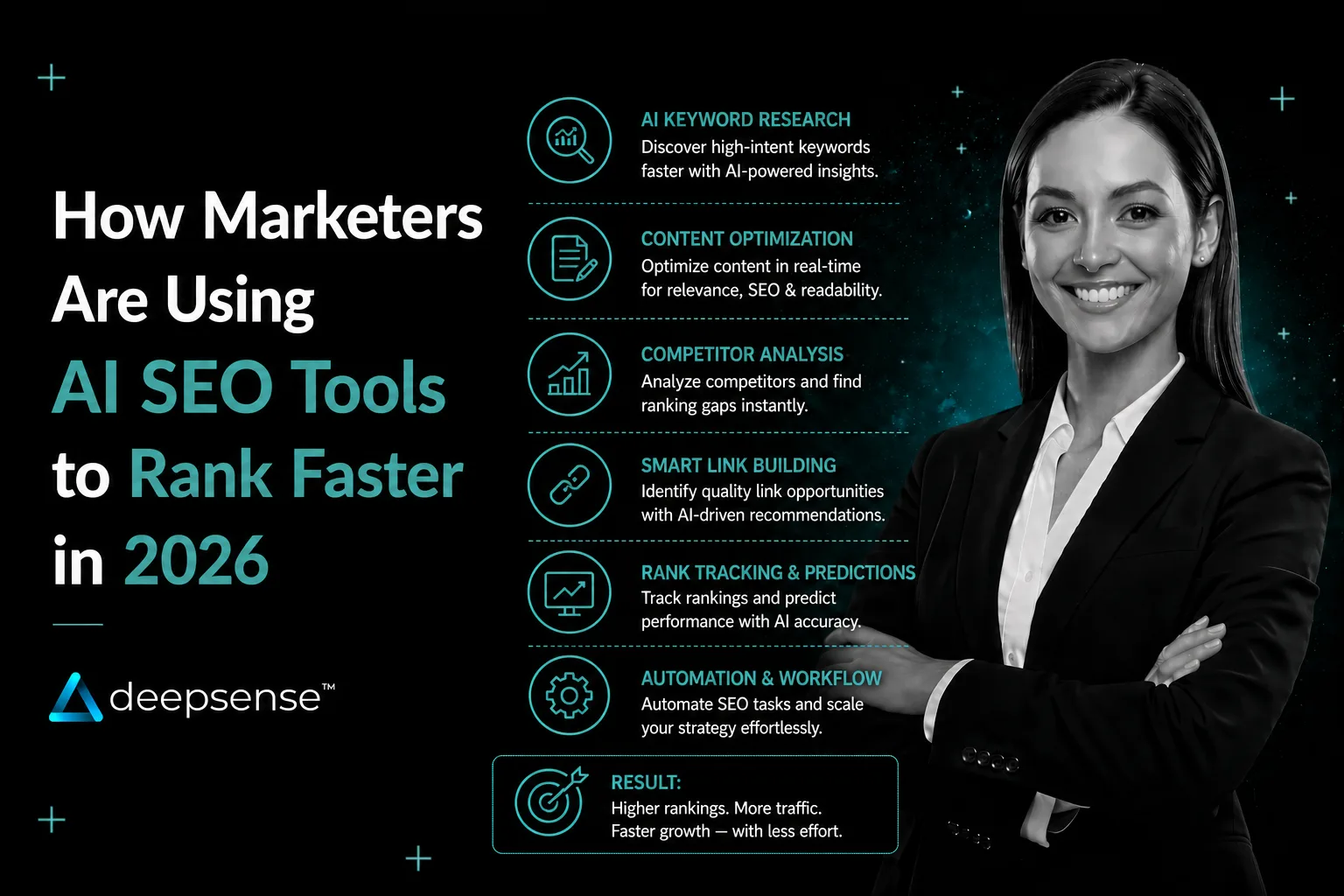
Content production in 2026 has moved far beyond the initial enjoyment surrounding big language designs. The existing environment involves a high degree of automation that integrates deep information analysis with instant execution. Strategy is no longer a static file updated as soon as a year. Instead, it is a living system that reacts to market modifications in minutes. High-performing teams now concentrate on building systems instead of simply composing posts. This modification reflects a move away from generic text towards particular, data-backed information that serves a clear purpose.
Predictive modeling has ended up being the main driver of topic selection. By 2026, tools have actually moved past easy keyword research. These systems analyze large datasets, including proprietary sales figures and global financial shifts, to identify what info a particular audience needs before the need even peaks. This move from reactive to proactive development guarantees that details stays pertinent in a fast-moving market. Business that keep a strong focus on Asia Virtual Solutions Software discover themselves much better equipped to deal with these quick shifts without losing momentum.
The function of the content strategist has also altered. Instead of handling authors, they now manage workflows and data pipelines. They guarantee that the AI has access to the right information and that the output aligns with the particular requirements of the business. This requires a deep understanding of how various models work and how they can be trained on internal data to produce more accurate outcomes. In 2026, the value is not in the ability to generate words, however in the ability to direct the machine towards significant outcomes.
The Rise of Modular Material and Real-Time Customization
The idea of modular content is a truth for the majority of effective organizations in 2026. Instead of developing a single long short article, systems produce a series of interconnected data blocks. These blocks are then reassembled in real-time based on the user behavior and current intent. A person searching for a high-level summary receives a various version of the content than a technical expert searching for deep data. This modification happens instantly, without the requirement for manual intervention for each variation.
This method enables a level of customization that was formerly impossible. By 2026, users anticipate material to adjust to their specific context. If a user is searching on a mobile gadget while traveling, the system may serve short, punchy bullet points. If that very same user is at a desk, the system might offer an in-depth report with interactive charts. This flexibility ensures that the information is always presented in the most helpful format possible. Professional attention to Asia Virtual Solutions Software provides the required foundation for these automated systems to work successfully.
These modular systems make it much easier to keep info up to date. When a particular reality or figure changes, it only needs to be updated in one place. The AI then propagates that change throughout every piece of content that utilizes that information obstruct. This lowers the danger of old or inaccurate information staying on the website, which is a major issue in the 2026 information environment. Accuracy has ended up being a primary differentiator for brands that want to maintain trust with their audience.
Circulation by means of Autonomous AI Agents
Circulation is the next phase of the 2026 shift. Content is no longer just released to a site and shared on social networks. AI representatives now manage the circulation process by determining the specific moment and platform where a piece of information will have the most impact. These representatives can change headlines, images, and even the tone of the material to match the requirements of various platforms and audiences. This guarantees that the message reaches the best people at the correct time.
These agents likewise handle the interaction with other AI systems. In 2026, a considerable portion of web traffic originates from AI assistants looking for info on behalf of users. Content needs to be structured in a method that these assistants can easily comprehend and process. This has caused the increase of specialized optimization strategies that focus on maker readability together with human appeal. The objective is to make sure that when an AI assistant is asked a question, it selects a specific brand name as the definitive source of fact.
The orchestration of these agents requires a sophisticated technical stack. Organizations use centralized platforms to monitor the efficiency of their distribution bots. They can see which platforms are providing the finest results and adjust their method appropriately. This level of control enables a more efficient use of resources, as business can stop buying channels that no longer supply value. The focus is on quality of engagement instead of simply raw reach.

The Verification Economy and the Requirement for Precision
Trust and confirmation are the most considerable obstacles in this automated world. With a lot content being created by makers, the value of confirmed information and skilled human oversight has actually increased. Organizations in 2026 prioritize systems where specialists validate the final output to ensure accuracy and brand name positioning. This step prevents the spread of inaccurate information and maintains the authority of the brand in a crowded market. Proven data is now a core property for any company.
Numerous business are now using digital signatures and blockchain-based verification to prove the origin of their material. This permits users and AI representatives to validate that the details originates from a relied on source and has actually not been damaged. In 2026, being a "relied on source" is more vital than being the very first to release. The audience has actually ended up being more doubtful, and they fast to desert brand names that offer misleading or low-grade info created by unmonitored bots.
This has actually led to the introduction of the "Confirmation Economy," where the main worth of a material team is their capability to guarantee the fact. Human editors in 2026 spend more time fact-checking and refining AI-generated drafts than composing from scratch. They make sure that the tone is suitable and that the info shows the actual experiences and values of the organization. This human touch is what separates effective brand names from those that simply contribute to the sound of the web.
Technical Infrastructure and Internal Data Silos
Success in 2026 needs a strong technical facilities. Business have moved away from relying exclusively on third-party AI companies. Rather, they are developing proprietary designs hosted on internal servers to safeguard data privacy. These designs are fine-tuned on the company own information, which permits them to produce material that is more lined up with the brand name voice and particular industry understanding. This internal data is the most important resource a company has in 2026.
Breaking down information silos is a significant concern. For an AI to produce effective material, it needs access to details from every part of business, consisting of sales, customer care, and product development. When these departments share information, the AI can create material that attends to the actual problems customers are dealing with. This integrated method leads to more valuable and relevant info, which in turn drives better service results. The technical challenge is not just building the AI, but guaranteeing it has the best information to work with.
Security is likewise a significant issue. As AI systems end up being more incorporated into the business, they become a potential target for cyberattacks. Protecting the data pipelines and the designs themselves is a leading priority for IT teams in 2026. Companies are investing in innovative security steps to ensure that their content systems remain functional which their proprietary data remains safe from rivals and bad stars.
Determining Effect Beyond Vanity Metrics
In 2026, the method businesses measure the success of their material has actually altered. Basic metrics like pageviews and likes are no longer seen as dependable indications of worth. Rather, AI-driven analytics tools step "Intent Shift" and "Sentiment Delta." These tools can determine if a piece of material actually altered the method an individual believes about a brand or if it moved them closer to buying. This offers a much clearer image of the return on financial investment for content activities.
Measurement is now integrated into the material itself. Interactive elements and feedback loops allow the system to collect information on how users are engaging with the information in real-time. If a particular section of an article is being neglected, the AI can automatically reword it or change it with a various format. This constant optimization ensures that the material is constantly performing at its peak. The objective is to create a self-improving system that gets more reliable in time.
Finally, organizations are looking at the long-lasting effect of their content method. They are moving far from short-term wins and focusing on building enduring relationships with their audience. By supplying regularly high-quality, confirmed information, they can establish themselves as leaders in their field. In 2026, the most effective business are those that utilize AI not simply to produce more content, but to produce much better content that genuinely serves the requirements of their users. The focus on quality, accuracy, and tactical combination is what specifies the leaders of this new period.